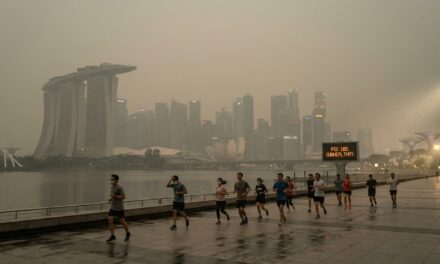
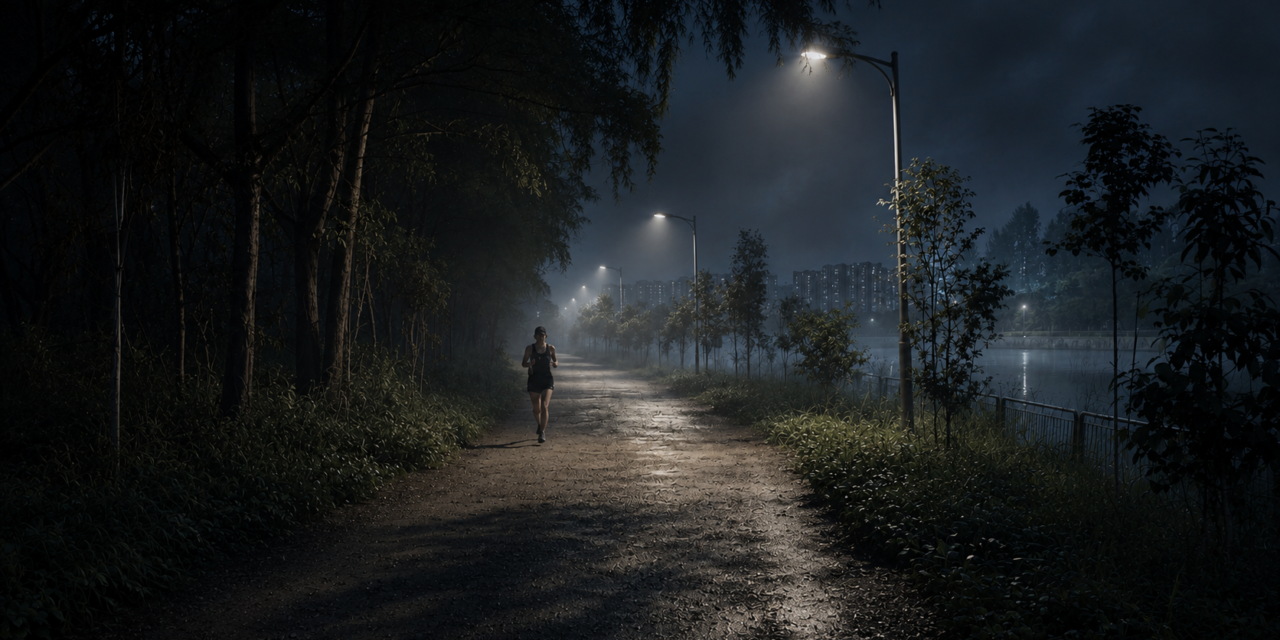
Singapore is widely regarded as one of the safest countries in the world. We jog through park connectors at 11:00 PM, run along dimly lit paths with noise-canceling headphones, and some people even leave their belongings unattended when they go for their run!.
However, low crime does not mean no crime. We assume absolute safety is guaranteed, yet opportunistic predators exploit that misplaced sense of security.
For runners—especially female runners—running alone in secluded areas during the late evening or night can quickly turn a routine workout into a dangerous situation. Real-life cases serve as stark, tragic reminders that personal safety requires constant vigilance.
Lessons from Real Cases
The Runner Who Never Came Home
In May 1985, 18-year-old Winnifred Teo, a student at Catholic Junior College, went out for her usual evening jog. She was training for an upcoming school adventure camp and had been running regularly around the Holland Road area.
That evening, she left home at about 6pm. She never returned.
The following morning, her body was found in undergrowth off Old Holland Road. She had been sexually assaulted and murdered.
What makes this story particularly tragic and scary for runners is how ordinary the routine was.
It wasn’t a trail run in a forested area.
It wasn’t the middle of the night.
It was just a young woman going out for her evening run in her neighbourhood. Something that most of us do routinely without a single thought.
Another Jogger, Another Frightening Attack
Fifteen years later, another Singapore female jogger became the victim of a horrific attack.
On 6 February 2000, 27-year-old Linda Chua was jogging at Bukit Batok Nature Park when she was attacked and raped.
A passer-by heard her cries and she was subsequently found in a ravine. Linda was taken to hospital but died eight days later.
The risk to lone runners is not a new phenomenon. Secluded nature trails and quiet stretches carry inherent risks when navigated alone after dark.
It Doesn’t Have To Be A Deserted Trail
Perhaps the most important lesson is that danger doesn’t only exist on remote trails or dark parks..
In May 2020, a 36-year-old woman was jogging alone along the pavement beside Yishun Avenue 1 at about 7.30pm.
A delivery driver who had parked nearby spotted her, approached from behind and attacked her.
She fought back, shouted for help and another female jogger came to her assistance. The attacker fled when he realised people were responding.
There are two things worth noting here.
Attacks are not limited to midnight in remote forests. Even along main roads at 7:30 PM, a lone jogger can become a target.
Second, another runner made a difference.
That second jogger heard the victim’s cries and came over.
Sometimes, looking out for one another is one of the best pieces of running safety equipment we have.
Even A 9 pm Run Has Risk
In another case, a 47-year-old woman went for her regular run at a neighbourhood park in Bukit Batok at about 9 pm on 4 August 2013.
She was a habitual jogger.
A man who was also in the park noticed her, followed her and eventually attacked and raped her in a secluded area.
Again, the point here isn’t that runners should never run at night.
The lesson is that a familiar route can become a very different environment when visibility drops and fewer people are around.
Predators often observe their targets and wait for a moment when the jogger enters a secluded or poorly lit stretch of path.
Essential Safety Precautions Every Runner Should Take
While no runner should ever be blamed for being targeted, taking proactive steps can significantly reduce risk and increase safety:
1. Avoid Running Alone at Night
- Run with a Buddy or Group: Join local running clubs or find a running partner for evening sessions. Predators look for isolated targets; running with others creates a strong deterrent.
- Stick to Daylight Hours: If running solo is your only option, schedule runs during early morning daylight or early afternoon.
2. Ditch Total Audio Isolation
- Running with full noise-canceling headphones blinds your ears to environmental cues—such as footsteps behind you, approaching vehicles, or rustling bushes.
- If listening to music or podcasts, use open-ear bone-conduction headphones or keep one earbud out.
3. Stick to Well-Lit, Popular Routes
- Avoid unlit park connectors, dense nature trails, short-cuts through forest paths, or quiet industrial roads after dusk.
- Stay on main roads, brightly lit PCNs or busy routes where pedestrians and vehicular traffic are frequent.
4. Vary Your Running Routine
- Avoid running the exact same route at the exact same time every day. Unpredictability prevents individuals from tracking or waiting along your path.
5. Keep Emergency Tools and Tracking Active
- Share Your Live Location: Use features like Apple’s Find My, WhatsApp Live Location, or Strava Beacon to share your real-time position with a trusted family member or friend.
- Carry a Personal Safety Alarm: Small, lightweight personal alarms produce a high-decibel siren when pulled, drawing immediate attention and disorienting an attacker.
- Keep Your Phone Accessible: Carry your phone in an easily accessible armband or waist belt—not buried at the bottom of a backpack—so you can quickly call 999 if needed.
- Turn On Safety Feature on your mobile device and smart watches which can trigger alerts to your emergency contacts