In a previous article, we talked about warm-up before running and looked at the benefits of a warm-up.
But there are warm-up and there are warm-up. Some people just shake their body a bit and think it is enough. Others go through a whole sequence of stretches – bending forward to touch the toes, pulling the leg backward… and then there are those that casually run 5 mins before they starts their run proper.
This time round, we look at the differences between “dynamic” warm-up vs stretching.
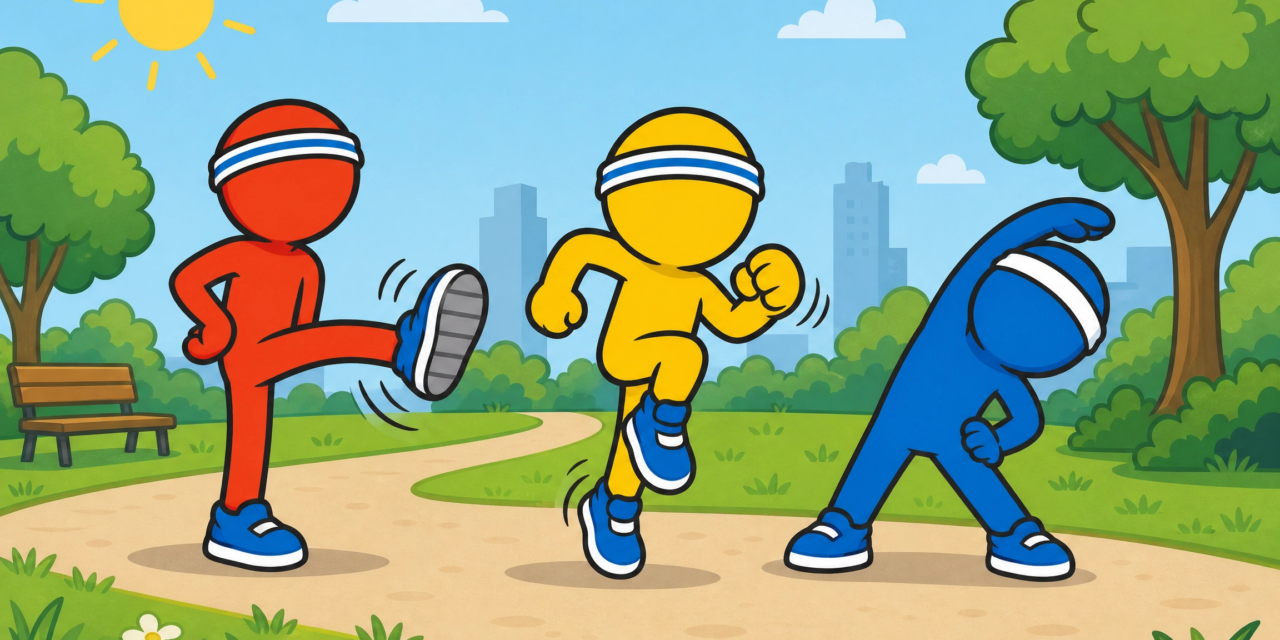
- Dynamic Warm-Up: This involves active movements that put your joints and muscles through a full range of motion. Think lunges, leg swings, and high knees. You aren’t holding any positions; you are constantly moving to mimic the activity you’re about to do.
- Static Stretching: This is the traditional “hold and cold” stretch. You find a muscle’s limit and hold it still for 20 to 60 seconds (like a standing quad stretch).
Most casual runners tend to gravitate to static stretching if they do any warm-up in the first place. Not a good idea though.
Static stretching right before a workout can actually backfire. Think of your muscles like rubber bands. If you take a cold rubber band and pull it tight for 30 seconds, it loses some of its snap and elastic power. Studies* show that static stretching pre-run temporarily decreases muscle strength and power output, which can make your stride feel heavy or sluggish.
Right, now that the experts have proved conclusively that stretching before run is not very helpful, let’s look at how to do a proper dynamic warm-up.
View this post on Instagram
The Running Shots’ Quick Warm-Up Drills for Casual Runners
Here is a quick dynamic routine designed specifically for casual runners. It targets the hips, hamstrings, glutes, and calves—the exact powerhouse muscles you’ll be relying on for your stride.
Do each exercise for about 30 to 45 seconds. Move smoothly through them without taking long breaks in between to keep your heart rate climbing.
-
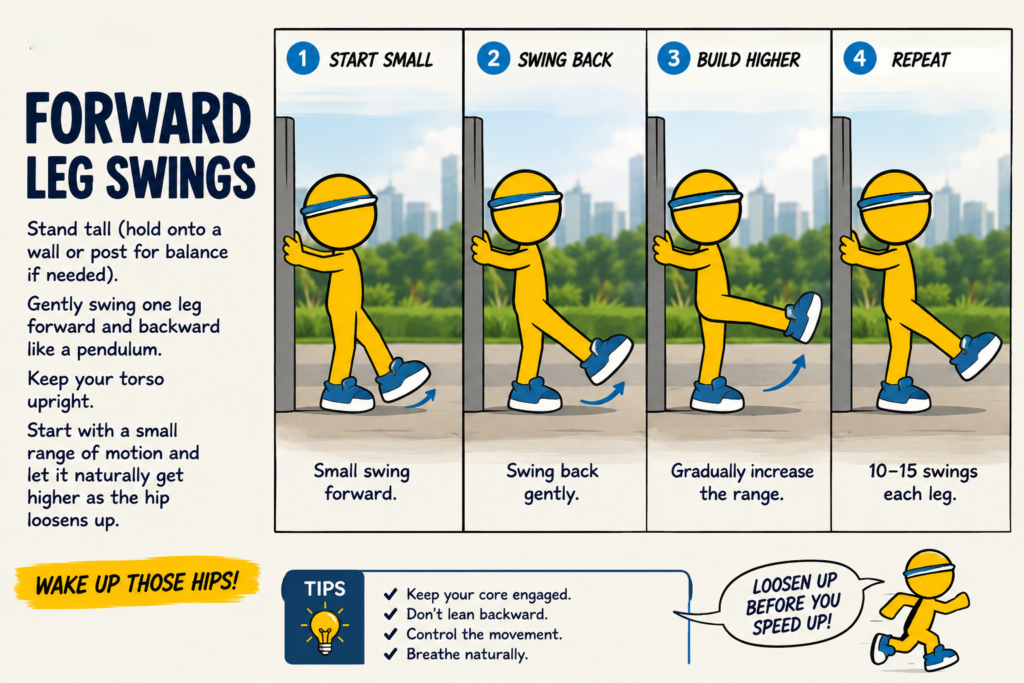
Forward Leg Swings
-
Lateral Leg Swings
Similar to Forward Leg Swings, but this time swing the legs from side to side.
-
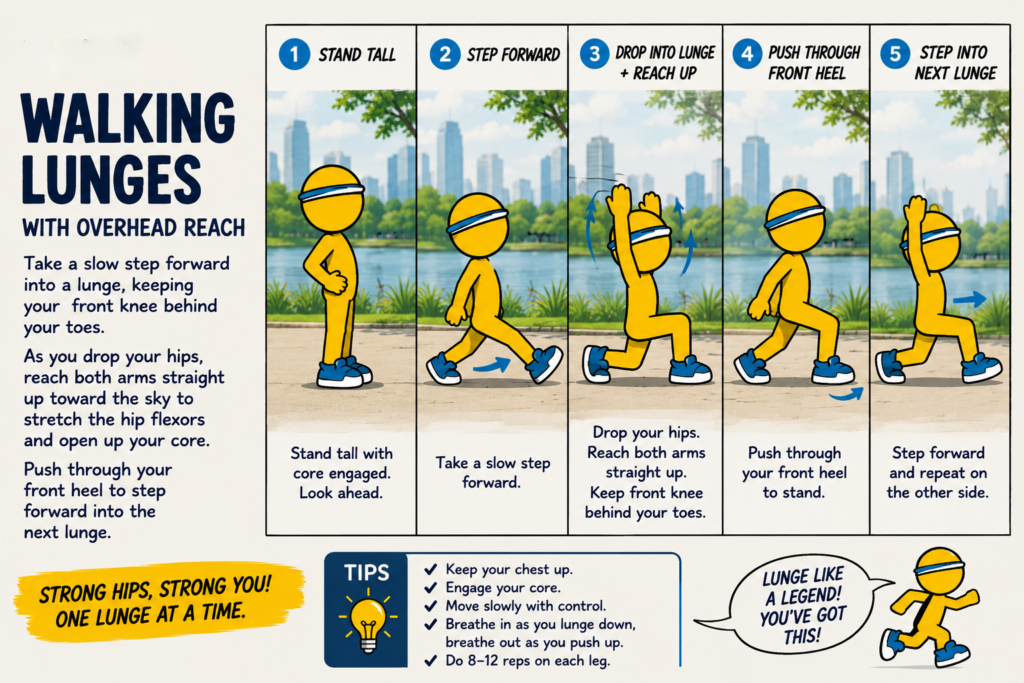
Walking Lunges with an Overhead Reach
-
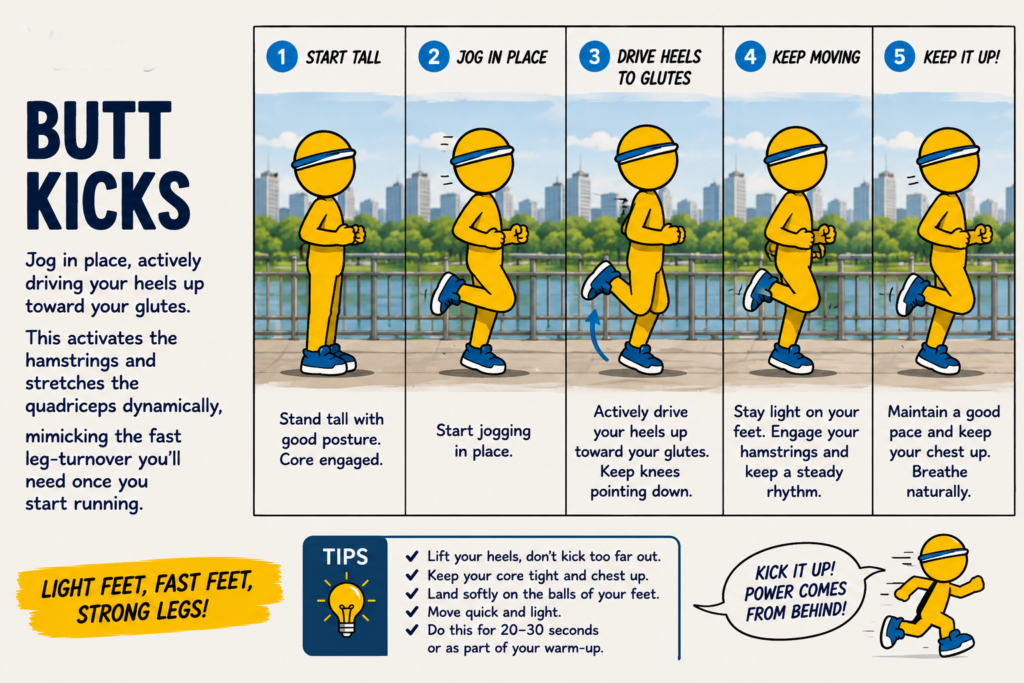
Butt Kicks
-
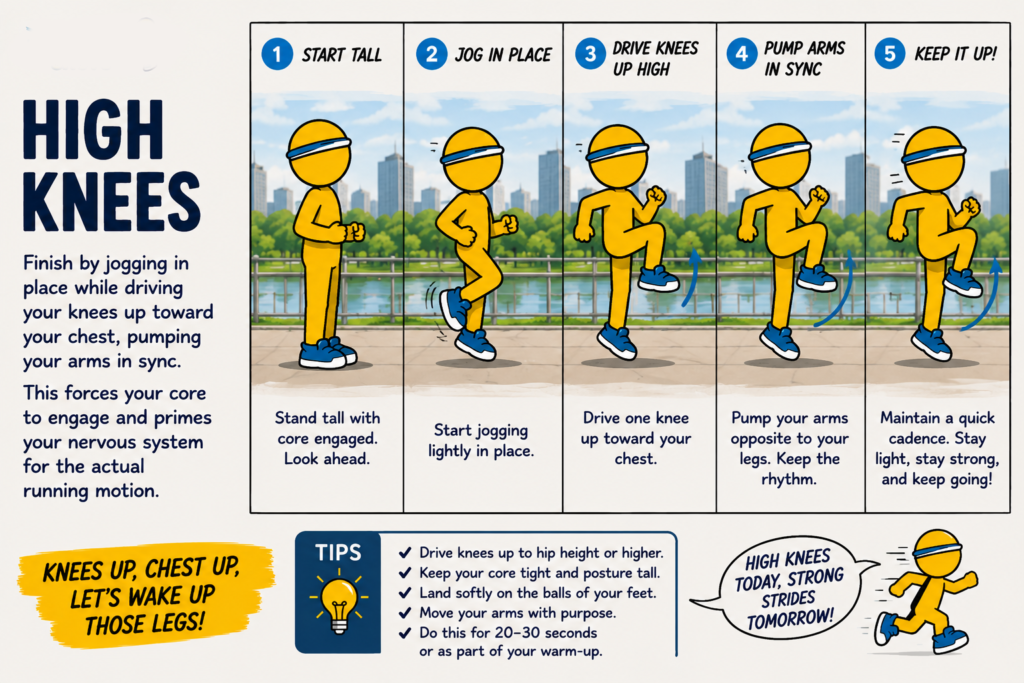
High Knees
Don’t rush into a sprint immediately after this. Use the first 5 to 10 minutes of your actual run as a very easy, gentle jog to let your body fully transition into your target pacing.
*References
Acute effects of static stretching on muscle strength and power: https://doi.org/10.3389/fphys.2019.01468
Acute and chronic effects of static stretching on neuromuscular properties: https://doi.org/10.3390/app132111979
Revisiting the stretch-induced force deficit: https://doi.org/10.1016/j.jshs.2024.05.002