
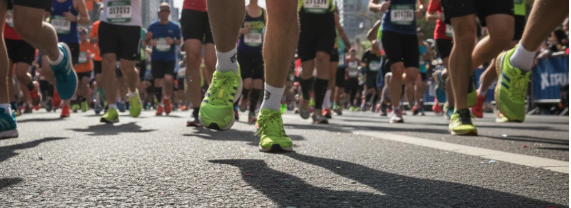
How long can a pair of running shoes really last — 300km, 500km, or until the outsole is totally gone?
It’s one of the most common questions runners will ask, whether you’re training for your first 10K or clocking weekly long runs year after year. Running shoes aren’t cheap, and no one wants to replace them too early — or worse, too late.
Every runner knows this moment.
You’re lacing up for a run, glance down at your shoes, and think: Eh… still okay right? Or is it time to change? 😅
Running shoes are one of the most important pieces of gear we own — yet they’re also the most misunderstood. Some runners change them the moment the outsole looks worn. Others stubbornly squeeze out one more race, one more long run.
So… how long can a pair of running shoes really last?
The Short Answer: 500–800km
(But It’s Not That Simple)
Most brands and coaches will quote a lifespan of 500–800km per pair of running shoes. That’s a useful guideline — but it’s not a rule.
Consider the following scenario:
– Two runners can buy the same shoe
– Run the same distance
– And have very different outcomes
Why? Because shoe lifespan depends on how you run, where you run, and what the shoe is designed to do.

What Actually Affects How Long Your Shoes Last?
1. Your Running Style
Heel striker, midfoot striker, forefoot striker — each wears out the shoes differently.
If you consistently land hard on one side of the heel, you’ll notice uneven wear much earlier. The shoe might still look okay overall, but the cushioning in that specific spot could already be dead.
Tip: Look at the outsole. Uneven wear is often the first warning sign.
2. Your Body Weight & Impact
Heavier runners generally compress foam faster. That doesn’t mean shoes wear out twice as fast — but the midsole cushioning may lose its bounce earlier.
If your runs start feeling :
– harsher on the legs
– less “springy” than before
– more tiring at the same pace
…it might not be you. It might be the shoes.
3. Where You Run
Running surface matters more than many people realise.
- Road running: Faster midsole breakdown
- Track: Less outsole wear, but foam still compresses
- Trail: Outsole may wear faster, upper part of the shoes may take a beating
Hot and humid conditions (hello Singapore 👋) also accelerate foam degradation, especially if shoes don’t get enough time to dry properly.
4. Shoe Type Matters
Not all shoes are built the same.
-
Daily trainers: Usually the longest‑lasting
-
Lightweight trainers: Shorter lifespan
-
Racing shoes / carbon shoes: Designed for performance, not durability
That carbon-plated race shoe might feel amazing — but many are only meant for 200–400km of peak performance.
Signs Your Running Shoes Are Past Their Prime
Sometimes, your body knows before your eyes do.
Watch out for:
- New aches in your knees, calves or hips
- Feet feeling more tired than usual
- Loss of cushioning or “dead” feeling
- Upper no longer holding your foot securely
- You feel better the moment you switch to a newer pair
If you’re nodding along… yeah, it’s probably time.

Can You Make Your Running Shoes Last Longer?
Yes — and no.
You can’t stop foam from breaking down, but you can slow the process:
-
Rotate between 2 or more pairs (huge difference)
-
Don’t wear running shoes for daily walking
-
Let shoes fully dry between runs
-
Untie properly (don’t crush the heel counter)
-
Use race shoes only for key workouts and races
Many runners are surprised to find that rotating shoes actually makes both pairs last longer.
The Real Question: How Long Should You Keep Them?
Instead of asking:
“How many kilometres have I run in these?”
Try asking:
“Do these shoes still help me enjoy my run?”
Running shoes are tools. When they stop protecting your legs, absorbing impact, or making running feel good — they’ve done their job.
And honestly? There’s no medal for running in shoes that are long past retirement.
Final Thoughts
Your running shoes don’t suddenly expire at 600km. They fade.
Listen to your body, pay attention to how your runs feel, and don’t be afraid to let a good pair go when it’s time.
Your legs will thank you — and your future runs will feel a whole lot better.
📸 Because the best runs are the ones you enjoy — and the ones worth remembering.
— Running Shots